Payouts up to 98%

Affordable for everyone

Suitable for Beginners

Stocks / Crypto / Forex
Simple. Dependable. Safe.
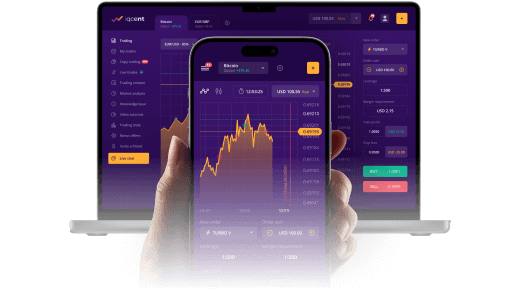
Navigate your financial journey with ease, thanks to our user-friendly interface designed for traders of all levels.

Enhance your trading strategy with our copy trading tools, allowing you to mirror the moves of experienced traders effortlessly.

Access your profits quickly and securely with our fast withdrawal system, ensuring your funds are available when you need them.
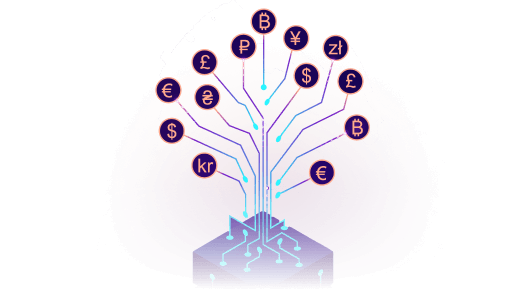
Diversify your portfolio with our extensive selection of over 100 trading assets, including stocks, crypto, forex and commodities.
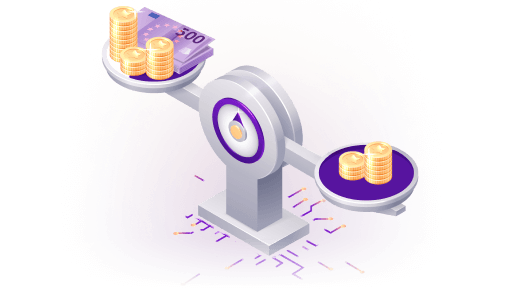
Maximize your potential returns with up to 500x leverage, giving you the power to amplify your trading positions significantly.
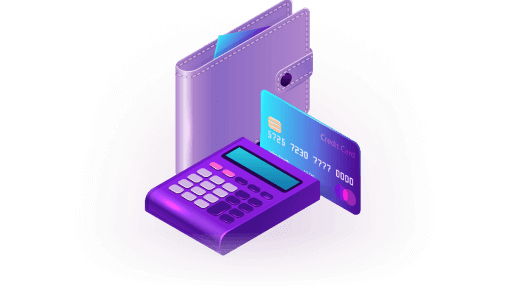
Fund your account with multiple deposit methods, offering you the convenience and flexibility to trade on your terms.

Refine your market analysis with advanced chart tools, providing you with insight and precision for better trading performance.
Trade with confidence, knowing your investments are protected by expert-grade security designed to keep your assets safe.

Receive round-the-clock assistance from our dedicated customer support team, ensuring help is always available whenever you need it.
We're here to help and guide you through anything.




We love connecting with our clients to hear about their experiences and how we can improve.
Since I started using V7N Trading, my trading experience has completely transformed. The user-friendly interface and advanced chart tools have made it so much easier to track my investments and make informed decisions. I've also been impressed with the quick withdrawal process. Highly recommend it to anyone looking to elevate their trading game!

V7N Trading has been a game-changer for me. The leverage options have allowed me to maximize my trading potential, and the variety of assets available means I've been able to diversify my portfolio like never before. Plus, the customer support team is always there when I need them, no matter the time of day. I feel secure and empowered as a trader with V7N.

I was new to trading when I joined V7N Trading, but their educational resources and copy trading tools have been incredibly helpful. I've learned so much and have already seen a significant improvement in my trading strategies. The expert-grade security also gives me peace of mind that my investments are safe. I'm so glad I chose V7N Trading!

Got questions? We've got answers!
We offer a range of accounts tailored to meet different trading needs, including basic, professional, and VIP accounts. Choosing the right one depends on factors such as your trading experience, investment size, and desired features. Our customer service team is also on hand to help guide you through the options and find the best fit for your trading goals.
Our platform operates with transparency regarding fees and commissions. Depending on the account type and assets you're trading, costs may include spreads, transaction fees, and overnight financing charges. We provide a detailed fee structure on our website, and our customer support can offer a breakdown of any charges you might incur.
Depositing and withdrawing funds is straightforward and secure with multiple payment methods available, including bank transfers, credit cards, and e-wallets. Deposits are usually instant, while withdrawals are processed within 24 hours. However, the arrival time of your funds may vary depending on your chosen method and banking institution.
We believe in empowering our traders through education. Our platform provides a comprehensive range of resources, including tutorial videos, webinars, and an extensive knowledge base. Additionally, our customer support team is available 24/7 to answer any questions and guide you through your trading journey.
The security of your investments and personal information is our utmost priority. We employ state-of-the-art encryption technology and follow stringent regulatory standards to ensure your data and funds are always protected. Regular audits and continuous monitoring also help us maintain the highest security levels.
Yes, you can access your trading account on multiple devices, including desktops, tablets, and smartphones. Our platform is compatible with all major browsers, and we also offer a mobile app available for both Android and iOS devices, ensuring you can trade and monitor your investments wherever you are.

Are you tired of missing out on our updates? Subscribe to our news now and stay in the loop!